Why Do Some People Look Younger Than Others of the Same Age?
It's no coincidence that a friend your age looks younger. Twin studies show the roles of genetics, sun and lifestyle.
If a friend born in the same year as you looks several years younger, and you wonder "is it luck, genetics, or something they do?", this article is for you. This question was raised in a news piece published on Mynet in which Devida also featured. We looked for the answer in twin studies and large randomised trials, which provide the strongest data on this topic.
This article does not replace a medical diagnosis. Changes such as marked ageing in a short time, weight loss or extreme tiredness can be a sign of a health problem; see a doctor.
What does "the age we look" tell us?
Question: How important is the difference between calendar age and perceived age?
Answer: More important than we think. In a Danish study in which assessors estimated age from photographs of 1,826 twins aged 70 and over, "perceived age" predicted survival independently of calendar age; within a twin pair, the older-looking twin was more likely to die first. Perceived age was also linked to physical and mental functioning and to telomere length, a marker of cellular ageing (Christensen et al., BMJ 2009). In other words, our face is not just a cosmetic matter; it can also be a mirror of our overall health.
Genetics or lifestyle?
Question: Is looking young entirely genetic?
Answer: No, but genetics plays a big part. In a study of 102 Danish female twin pairs and 162 British women, perceived age, age spots, wrinkles and the appearance of sun damage were influenced roughly equally by genetic and environmental factors. The shared features of women who looked young for their age were fewer wrinkles, later greying hair, fuller lips and avoiding the sun (Gunn et al., PLoS One 2009).
Question: Why does one of two genetically identical twins look older?
Answer: Because identical twins share the same genetics, the difference between them points directly to lifestyle. In a US study in which an independent panel assessed photographs of 186 pairs of identical twins, these findings stood out (Guyuron et al., Plast Reconstr Surg 2009):
| Factor | Effect on perceived age |
|---|---|
| Smoking | The longer the twin had smoked, the older they looked |
| Sun exposure | More sun was associated with an older appearance |
| Body mass index | Under 55, higher weight was associated with looking older; over 55, with looking younger |
| Hormone therapy | Twins on hormone therapy looked younger |
This study is observational; it shows associations and does not prove cause and effect on its own. Hormone therapy is a treatment given only by a doctor's decision after assessing the person's overall health; it is not a method to use for appearance.
The biggest factor we can change: the sun
Question: Has it been proven that lifestyle really makes a difference?
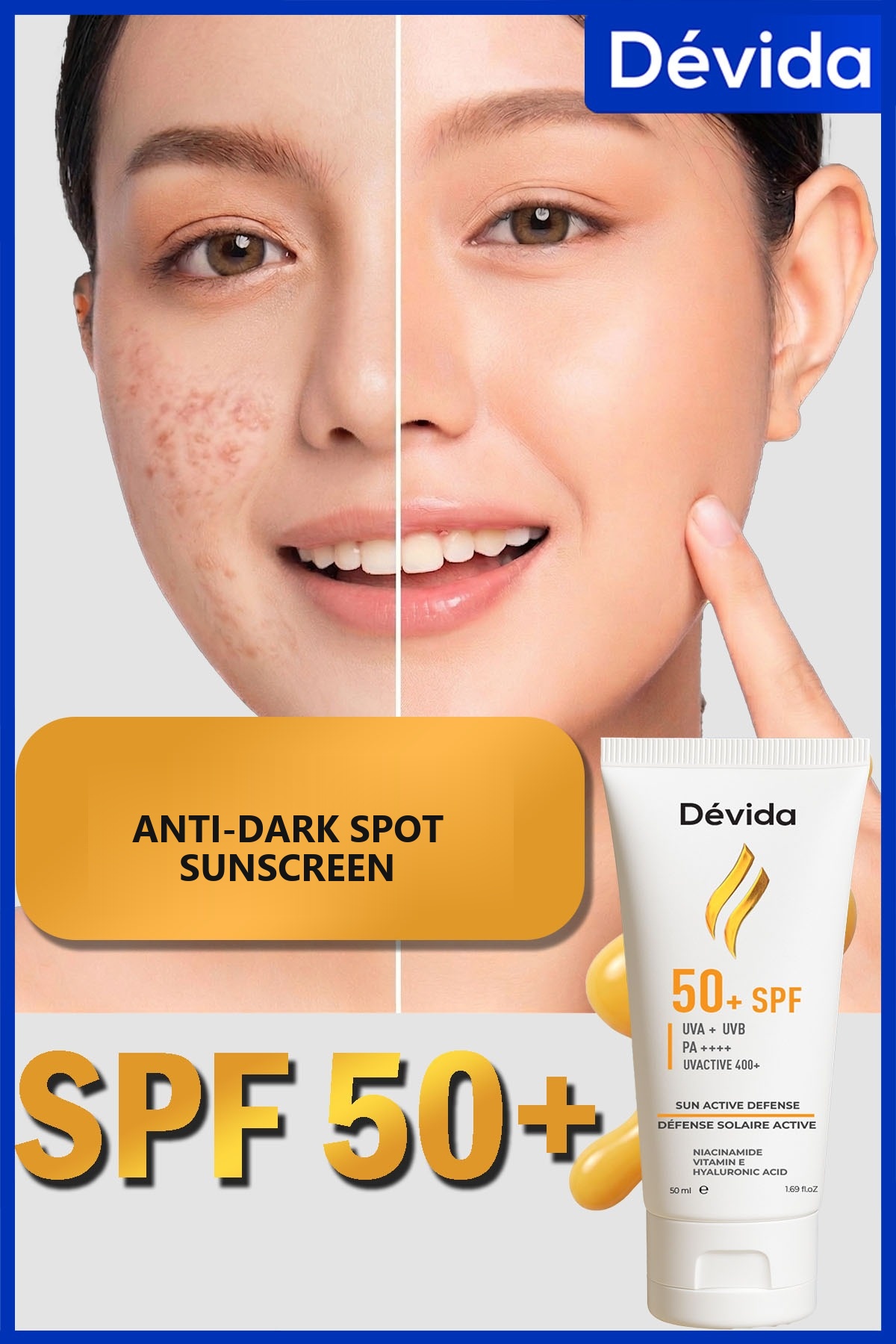
Answer: Yes, the strongest evidence is for sun protection. In a randomised study in Australia, adults assigned to use sunscreen every day had 24% less skin ageing after 4.5 years than those who used it whenever they chose (Hughes et al., Ann Intern Med 2013). Because it was randomised, this study shows that sun protection really does slow ageing.
Common myths
Question: Are expensive creams the secret to looking young?
Answer: No. In the research, the factors that made the biggest difference were smoking, sun and weight fluctuations; no cream replaces these. Evidence-based skincare (retinoids, vitamin C, moisturisers) makes sense when added on top of these basic habits.
Question: If my genetics are bad, is there nothing I can do?
Answer: There is. Twin studies show that even people with the same genes age noticeably differently depending on lifestyle. You can't change your genes, but you do have a say over sun, smoking and daily habits.
Step-by-step: proven ways to look younger
Question: What can I do from today?
- Broad-spectrum sunscreen every morning: summer and winter, on cloudy days too; reapply every 2 hours outdoors.
- Quit smoking: in the twin study, smoking duration was one of the clearest factors increasing perceived age.
- Keep your weight stable: a sustainable eating pattern rather than rapid, repeated weight changes.
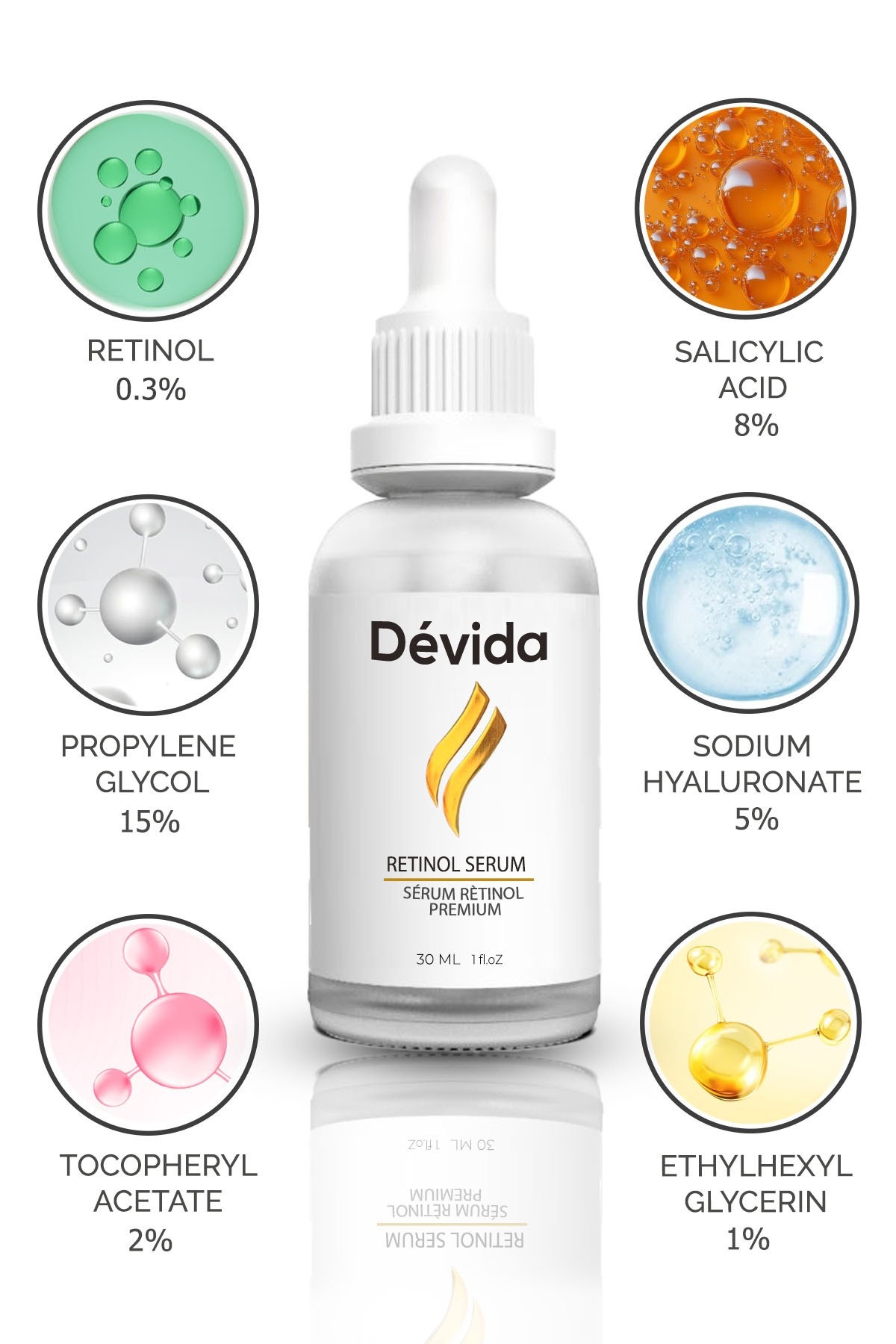
- An evidence-based evening routine: a retinoid (retinol or retinal) if it suits your skin; gentle hydration for sensitive skin.
- Sleep and stress: regular sleep and stress management support overall health, and perceived age is linked to overall health.
Question: What should a daily skincare routine look like?
| Step | Morning | Evening |
|---|---|---|
| 1 | Gentle cleanser | Gentle cleanser |
| 2 | Vitamin C serum (e.g. Devida Citréa Series A240) | A retinoid a few evenings a week (e.g. Devida Xella Series A220 or Retinal Shot Pro Series C110) |
| 3 | Hydrating serum (e.g. Devida Aura Series A250) | Hydrating serum or moisturiser |
| 4 | Sunscreen SPF 50 (e.g. Devida Sunveil Series G100) | — |
Check each product's frequency of use and ingredient list on its packaging; start retinoids at a low frequency and do not use them during pregnancy.
Who should be careful, and when should you see a doctor?
Question: Which changes may signal a health problem?
- Marked facial change in a short time, unexplained weight loss or extreme tiredness.
- Widespread dry skin together with feeling cold, hair loss or weight gain (a thyroid assessment may be needed).
- A new, growing or changing mole on the face, or a sore that doesn't heal.
Final word
Question: If you remember just one thing from this article, what should it be?
Answer: The "secret" of people who look young is usually not a miracle product but protecting themselves from the sun, not smoking and living a balanced life. Genetics plays a big part, but twin studies show that our habits can add or take years from our face. Every morning's sunscreen you start today is an investment you'll notice in the mirror years from now.
Devida wishes you healthy and happy days.
Sources
- Christensen K et al. Perceived age as clinically useful biomarker of ageing: cohort study — BMJ, 2009
- Gunn DA et al. Why some women look young for their age — PLoS One, 2009
- Guyuron B et al. Factors contributing to the facial aging of identical twins — Plast Reconstr Surg, 2009
- Hughes MCB et al. Sunscreen and prevention of skin aging: a randomized trial — Ann Intern Med, 2013