What Is the Skin Barrier? 5 Effective Ways to Repair a Damaged Skin Barrier
Stinging, redness and tightness can signal barrier damage. The habits that harm the barrier and 5 evidence-based ways to repair it.
If a cream you used to apply without problems suddenly stings, your face turns red and tight after washing, or your skin looks both dry and spot-prone, the problem may not be your products but your skin's protective shield. In this article we asked the Devida skincare team about this shield, known as the "skin barrier", and the evidence-based ways to repair it. The answers are based on published clinical studies and reviews.
This article does not replace a medical diagnosis. Oozing, crusting, very itchy or rapidly spreading redness can be a sign of eczema, contact dermatitis or infection; in that case, see a dermatologist.
What is the skin barrier?
Question: What exactly does "skin barrier" mean?
Answer: It means the protective function of the outermost layer of the skin, the stratum corneum. This layer consists of dead skin cells that act like bricks, and lipids (ceramides, cholesterol and free fatty acids) that fill the spaces between them like mortar. Inside the cells are natural moisturising factors that bind water. This structure stops water escaping from within and prevents irritants, allergens and microbes from getting in from outside (Rawlings and Harding, Dermatol Ther 2004).
Question: Why does it matter that skin is acidic?
Answer: The surface of healthy skin is slightly acidic. A multicentre study of 330 people showed that natural skin surface pH averages 4.7, and that skin with a pH below 5 had better barrier function, hydration and less scaling. The same study reported that tap water with a pH of around 8 raised skin pH for up to 6 hours (Lambers et al., Int J Cosmet Sci 2006). This is why harsh, alkaline soaps can strain the barrier.
Question: How can I tell if my barrier is damaged?
| Sign | What it may indicate |
|---|---|
| Products you used without problems now sting or burn | The protective layer has thinned; substances pass through more easily |
| Tightness, dryness and flaking after washing | Water loss (TEWL) has increased |
| Redness, sensitivity, fine rough texture | Mild inflammation and irritation |
| Dryness and breakouts at the same time | Balance disrupted by over-cleansing or overuse of actives |
What damages the barrier?
Question: What are the most common causes?
Answer: In everyday life, the most common causes are:
- Over-cleansing: washing many times a day, harsh foaming cleansers, very hot water.
- Too many actives: layering acids, retinoids, high-strength vitamin C and peels in the same routine.
- Physical irritation: rough sponges, grainy scrubs, rubbing with a towel.
- Environment: cold air and low humidity generally weaken barrier function (Engebretsen et al., JEADV 2016).
- Sun damage: UV rays increase inflammation and oxidative stress.
5 effective ways to repair the barrier
Question: What is way 1? — Simplify cleansing.
Answer: The first step in repairing the barrier is to stop what is damaging it. In the morning, lukewarm water or a very gentle cleanser is enough; in the evening, a gentle cleanser that removes make-up and sunscreen. Choose low-foaming products that don't leave the skin tight instead of soap; don't rub your face with a towel — pat it dry.
Question: Way 2? — Pause actives temporarily.
Answer: While stinging and redness are present, take a break from acids (AHA/BHA), retinoids, peels and high-strength pure vitamin C. A simple 2–4 week period is usually enough for the skin to calm down. Once it is comfortable, reintroduce actives one at a time and at a low frequency.
Question: Way 3? — Give back barrier lipids and moisture.
Answer: Lipids are the barrier's "mortar". In a meta-analysis on atopic dermatitis, ceramide-containing moisturisers reduced the disease severity score more than other moisturisers, while no significant difference was found in water-loss measurements (Nugroho et al., Indian J Dermatol 2023). Glycerin is one of the most studied humectants and has been shown to improve stratum corneum hydration and barrier function (Fluhr et al., Br J Dermatol 2008). A good repairing moisturiser combines humectants (glycerin, hyaluronic acid), emollients (ceramides, fatty acids) and a thin occlusive layer (Purnamawati et al., Clin Med Res 2017).
Question: Way 4? — Choose ingredients that support repair.
Answer: The main ingredients with evidence behind them:
| Ingredient | What was shown? | Evidence |
|---|---|---|
| Panthenol (provitamin B5) | On experimentally irritated skin, a 5% dexpanthenol cream accelerated barrier repair, increased hydration and reduced redness (Proksch and Nissen, 2002) | Moderate |
| Niacinamide (vitamin B3) | Increased production of ceramides and other barrier lipids in skin cells; applied to the skin, it reduced water loss in dry skin (Tanno et al., Br J Dermatol 2000) | Moderate (laboratory + limited clinical) |
| Ceramides | Improvement in severity score in atopic skin; no significant difference in water loss (Nugroho, 2023) | Moderate |
| Glycerin | Improved hydration and barrier function, benefit in winter dryness (Fluhr, 2008) | Strong |
| Centella asiatica | Its active compounds (asiaticoside, madecassoside) have been linked to wound healing, collagen production and reduced inflammation (Bylka et al., 2013) | Limited (mostly laboratory and small studies) |
Question: Way 5? — Protect from the sun every day.
Answer: Sunlight slows repair by increasing inflammation and free radicals. For skin with a sensitive barrier, use a light sunscreen low in alcohol and fragrance every morning. If sunscreen stings, applying moisturiser first and sunscreen on top can improve comfort.
Common myths
Question: Should skin be cleansed until it "squeaks"?
Answer: No. That squeaky feeling is a sign that the protective lipids on the skin's surface have also been stripped away. Skin should not feel tight after cleansing; tightness shows the cleanser is too harsh for your skin.
Question: Doesn't oily skin have a strong barrier?
Answer: Not necessarily. The amount of sebum (oil) and the strength of the barrier are not the same thing. Over-drying products damage the barrier in oily and acne-prone skin too; the skin then feels both oily and tight and sensitive.
Question: Does stinging show a product is "working"?
Answer: No. If a moisturiser or a simple serum stings, that is a strong sign that the problem lies with the barrier, not the product.
Step-by-step repair routine
Question: What should a routine look like during the repair period?
| Step | Morning | Evening |
|---|---|---|
| 1 | Lukewarm water or a very gentle cleanser | Gentle cleanser |
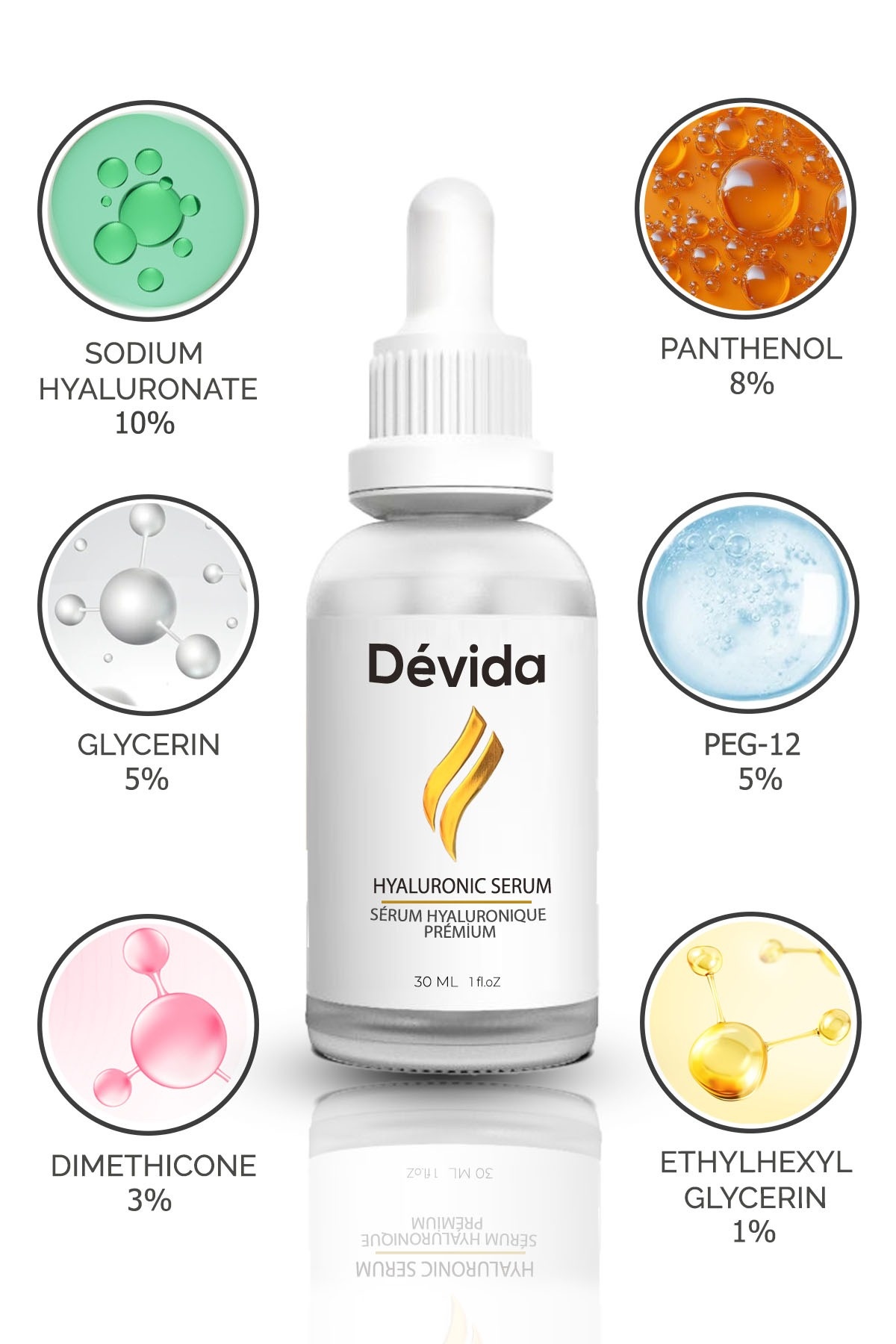
| 2 | Hydrating serum: hyaluronic acid + panthenol (e.g. Devida Aura Series A250; once a day for dry/sensitive skin) | — |
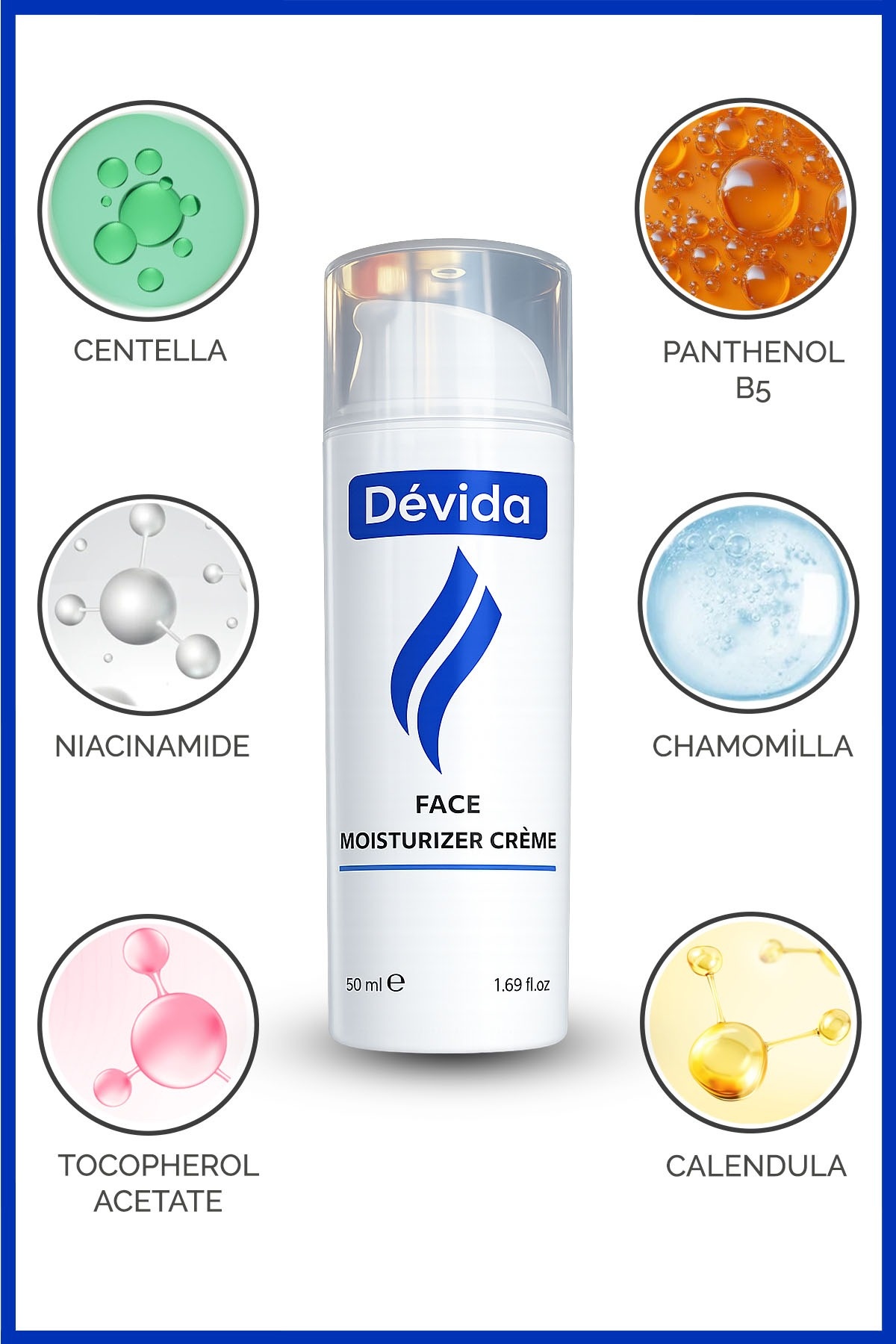
| 3 | Moisturiser with ceramides, centella and panthenol (e.g. Devida HydraVive C111) | The same moisturiser; a little more on dry areas |
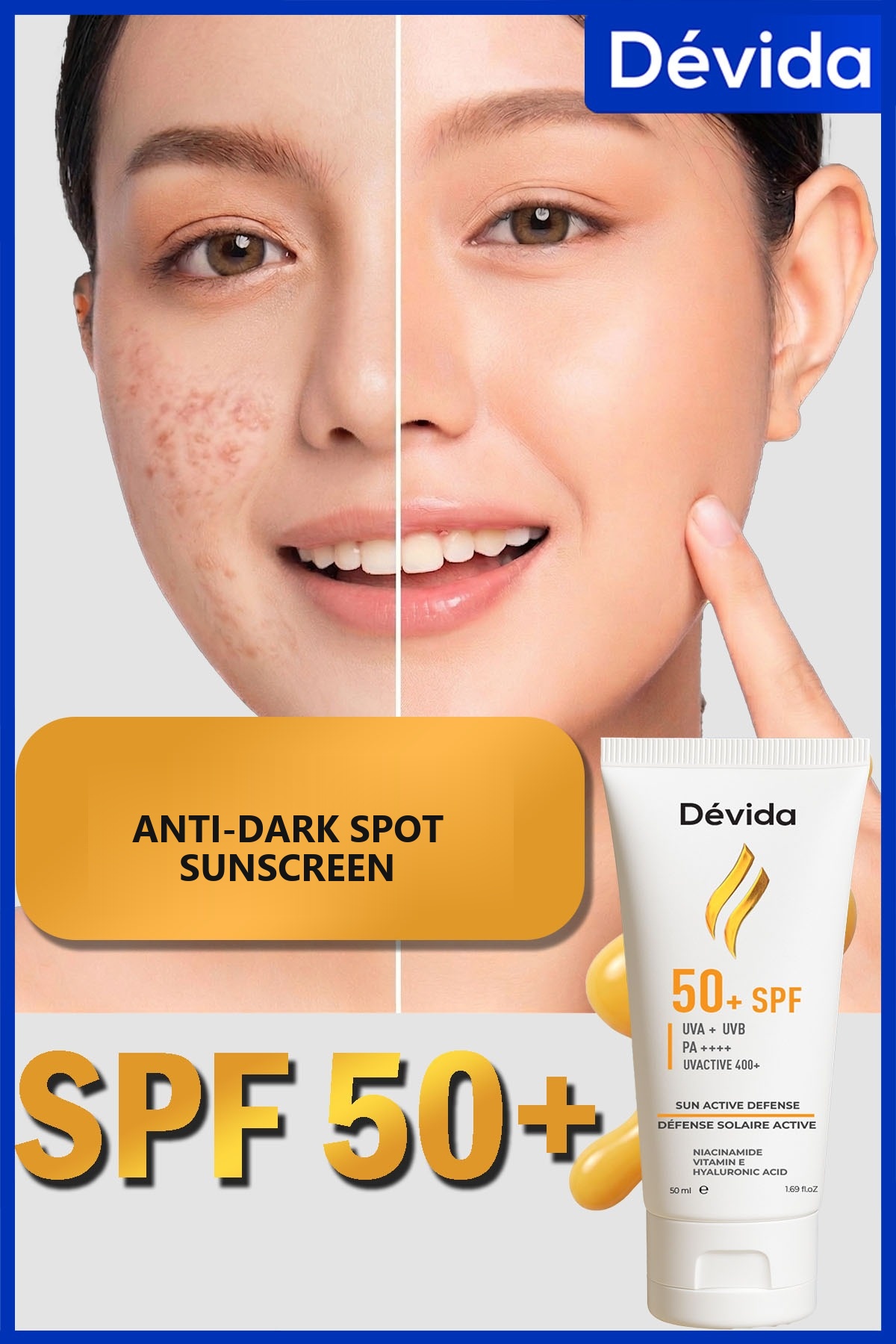
| 4 | Sunscreen SPF 30–50 (e.g. Devida Sunveil Series G100) | — |
The ingredients on the packaging of Devida Aura Series A250 include sodium hyaluronate, panthenol, betaine and allantoin; for very sensitive skin, starting every other day is recommended. Devida HydraVive C111, as its name states, is a face cream containing ceramides, centella and panthenol (B5). During the repair period, pause acid-containing serums (for example Devida Elixir Series A260, which contains salicylic and glycolic acid) and retinoids; once the skin has calmed down, reintroduce them one at a time and at a low frequency.
Question: How long does recovery take?
Answer: With mild damage, stinging and tightness usually ease within 1–2 weeks. Because the skin's renewal cycle takes weeks, full recovery can take 4–6 weeks. Not trying new products during this time is the single most important step for faster healing.
Who should be careful, and when should you see a doctor?
Question: When should I see a doctor?
- There is oozing, crusting, cracking or bleeding.
- Itching disturbs your sleep or redness spreads beyond the face.
- Swelling and blisters appeared where you applied a specific product (possible contact dermatitis).
- No improvement after 3–4 weeks despite a simple routine.
- You have persistent facial redness, visible small vessels and flushing episodes (possible rosacea).
Question: Is this routine suitable during pregnancy?
Answer: Gentle cleansing, moisturisers with ceramides, glycerin, panthenol and hyaluronic acid, and sunscreen are generally considered safe steps during pregnancy. Even so, it is best to show your doctor the full ingredient lists of the products you use.
Final word
Question: If you remember just one thing from this article, what should it be?
Answer: When repairing the barrier, "less is more". Simplify cleansing, pause actives, use a moisturiser that provides lipids and moisture consistently, and protect your skin from the sun every morning. A healthy barrier is also the foundation for every active treatment you will use in the future.
Devida wishes you healthy and happy days.
Sources
- Rawlings AV, Harding CR. Moisturization and skin barrier function — Dermatol Ther, 2004
- Lambers H et al. Natural skin surface pH is on average below 5, which is beneficial for its resident flora — Int J Cosmet Sci, 2006
- Engebretsen KA et al. The effect of environmental humidity and temperature on skin barrier function and dermatitis — JEADV, 2016
- Nugroho WT et al. The Efficacy of Moisturisers Containing Ceramide Compared with Other Moisturisers in the Management of Atopic Dermatitis — Indian J Dermatol, 2023
- Fluhr JW, Darlenski R, Surber C. Glycerol and the skin: holistic approach to its origin and functions — Br J Dermatol, 2008
- Purnamawati S et al. The Role of Moisturizers in Addressing Various Kinds of Dermatitis: A Review — Clin Med Res, 2017
- Proksch E, Nissen HP. Dexpanthenol enhances skin barrier repair and reduces inflammation after sodium lauryl sulphate-induced irritation — J Dermatolog Treat, 2002
- Tanno O et al. Nicotinamide increases biosynthesis of ceramides as well as other stratum corneum lipids to improve the epidermal permeability barrier — Br J Dermatol, 2000
- Bylka W et al. Centella asiatica in cosmetology — Postepy Dermatol Alergol, 2013