Collagen and Peptides: Routine Tips for Plump, Radiant and Elastic Skin
What collagen creams, collagen supplements and peptides really do: the evidence, exaggerated claims and proven ways to protect collagen.
If your skin no longer looks as plump and elastic as it used to, the fine lines around your eyes have become more visible, and you're looking for an answer to "collagen serum, collagen supplement or peptides?", this article is for you. We answered the questions about collagen and peptides that the Devida skincare team hears most often. The answers are based on published clinical studies and meta-analyses, and we clearly point out where advertising often exaggerates.
This article does not replace a medical diagnosis. If you notice rapidly developing sagging, facial asymmetry or muscle weakness, see a doctor.
What is collagen, and why does it decrease?
Question: What does collagen do in the skin?
Answer: Collagen is the main structural protein of the dermis, the middle layer of the skin; it gives the skin firmness and fullness. Elastin provides elasticity, and molecules such as hyaluronic acid hold water within this network. With age, collagen production decreases and existing collagen wears down; sunlight markedly speeds up this process. That is why daily sun protection is the best-proven way to protect collagen.
Question: Does collagen in a cream turn into the skin's own collagen?
Answer: No. Collagen is a very large molecule and, when applied to the skin, cannot reach the dermis and join the collagen network there. Collagen in cosmetics, especially hydrolysed (broken into small pieces) collagen, works like a moisturiser that holds water on the skin's surface and softens it. So a collagen serum helps the skin look more hydrated, plumper and smoother, but it does not "replace lost collagen".
Peptides: signalling with small molecules
Question: What is a peptide, and how does it differ from collagen?
Answer: Peptides are short chains of a few amino acids. Some are designed to mimic the fragments released when collagen breaks down, giving the skin a "repair" signal; others aim to affect signals related to muscle contraction. They are much smaller than collagen, but their penetration into the skin is still limited.
| Type | Example | Purpose | Evidence |
|---|---|---|---|
| Signal peptides | Palmitoyl pentapeptide-4 (Pal-KTTKS) | Stimulate collagen production | Moderate: manufacturer-supported controlled study |
| Neurotransmitter-affecting peptides | Acetyl hexapeptide-8 (Argireline) | Soften expression lines | Limited: small, unblinded study |
| Carrier peptides | Copper peptides (GHK-Cu) | Wound healing, repair | Mostly laboratory data |
Question: Have peptides been shown to work?
Answer: For some, yes. In a 12-week, double-blind, split-face study of 93 women aged 35–55, a moisturiser containing palmitoyl pentapeptide significantly reduced fine lines and wrinkles compared with a moisturiser without the active ingredient, and was well tolerated (Robinson et al., Int J Cosmet Sci 2005). This study was carried out by researchers from the company that developed the product.
Question: Do "Botox-effect" peptides really work like Botox?
Answer: No. Although the phrase "Botox effect" is common in cosmetics, no cream or serum replaces a botulinum toxin injection. In the first study of the peptide Argireline, a 10% cream reduced wrinkle depth by up to 30% in 30 days (Blanes-Mira et al., Int J Cosmet Sci 2002); however, later assessments noted that the study was small and unblinded, that the peptide's penetration into the skin is limited, and that part of the effect may come from hydration. As the product description of Devida Vega Series A230 states clearly, such serums are not an injection or Botox treatment; they accompany a daily routine aimed at the appearance of fine lines.
Collagen supplements (drinkable collagen)
Question: Do collagen powders or drinks work?
Answer: The science is divided here. A 2025 meta-analysis of 23 randomised studies and 1,474 participants found improvements in hydration, elasticity and wrinkles when all studies were combined; but it reported that this effect disappeared when only high-quality studies or studies not funded by industry were examined, and concluded that there is no clinical evidence to support collagen supplements for preventing skin ageing (Myung and Park, Am J Med 2025). Supplement manufacturers disputed this classification. The honest answer: the effect of drinkable collagen on the skin is not certain; if you use a supplement, set your expectations accordingly and consult your doctor.
Proven ways to protect and support collagen
Question: So what really works?
Answer: Ranked by level of evidence:
| Method | Effect on collagen | Evidence |
|---|---|---|
| Daily sunscreen | Reduces UV damage that wears down collagen; skin ageing was 24% lower in daily users (Hughes et al., 2013) | Strong |
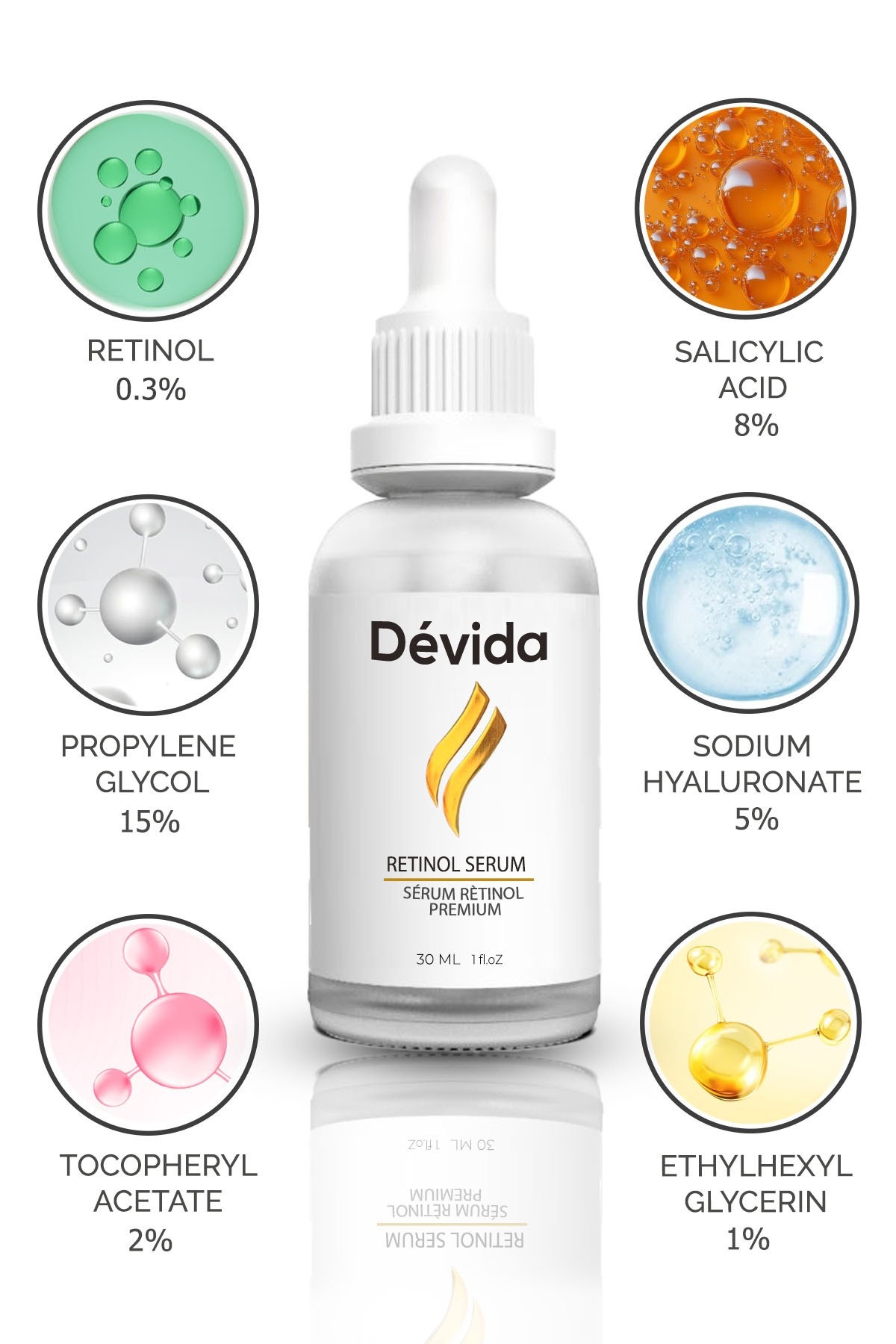
| Retinoids (retinol, retinal) | Increase collagen production in the dermis; procollagen increase shown with 0.4% retinol (Kafi et al., 2007) | Strong–moderate |
| Vitamin C | Needed by collagen-making enzymes; provides antioxidant protection | Moderate |
| Peptides | Signal for collagen production; moderate improvement in fine lines | Moderate–limited |
| Hydrating serums with collagen and hyaluronic acid | Surface hydration, plumper and smoother look | Moderate for moisturising effect |
| Quitting smoking, enough sleep | Reduce factors that speed up collagen breakdown | Observational evidence |
Common myths
Question: Does collagen cream "fill" wrinkles?
Answer: No. Hydrated skin quickly looks plumper and smoother; this is a real and pleasant effect, but it does not fill deep wrinkles like a filler.
Question: Is there "plant collagen"?
Answer: Collagen is an animal protein; plants do not contain collagen. Products sold as "plant collagen" usually contain amino acids, vitamin C or plant extracts thought to support collagen production.
Question: The more products, the more collagen?
Answer: No. Layering retinoids, acids and peptides all at once causes irritation, and irritation and inflammation do not protect collagen; on the contrary, they wear it down. A small but consistent routine is more effective.
Step-by-step: how to use them correctly
Question: What should a routine for a plump, elastic look be like?
| Step | Morning | Evening |
|---|---|---|
| 1 | Gentle cleanser | Gentle cleanser |
| 2 | Vitamin C serum (e.g. Devida Citréa Series A240) | A retinoid a few evenings a week (e.g. Devida Xella Series A220 or Retinal Shot Pro Series C110) |
| 3 | Collagen hydrating serum (e.g. Devida Vega Series A230, 2–3 drops) | On evenings without a retinoid, a collagen or hyaluronic acid hydrating serum (e.g. Devida Vega Series A230 or Aura Series A250) |
| 4 | Moisturiser | Moisturiser |
| 5 | Sunscreen SPF 50 (e.g. Devida Sunveil Series G100) | — |
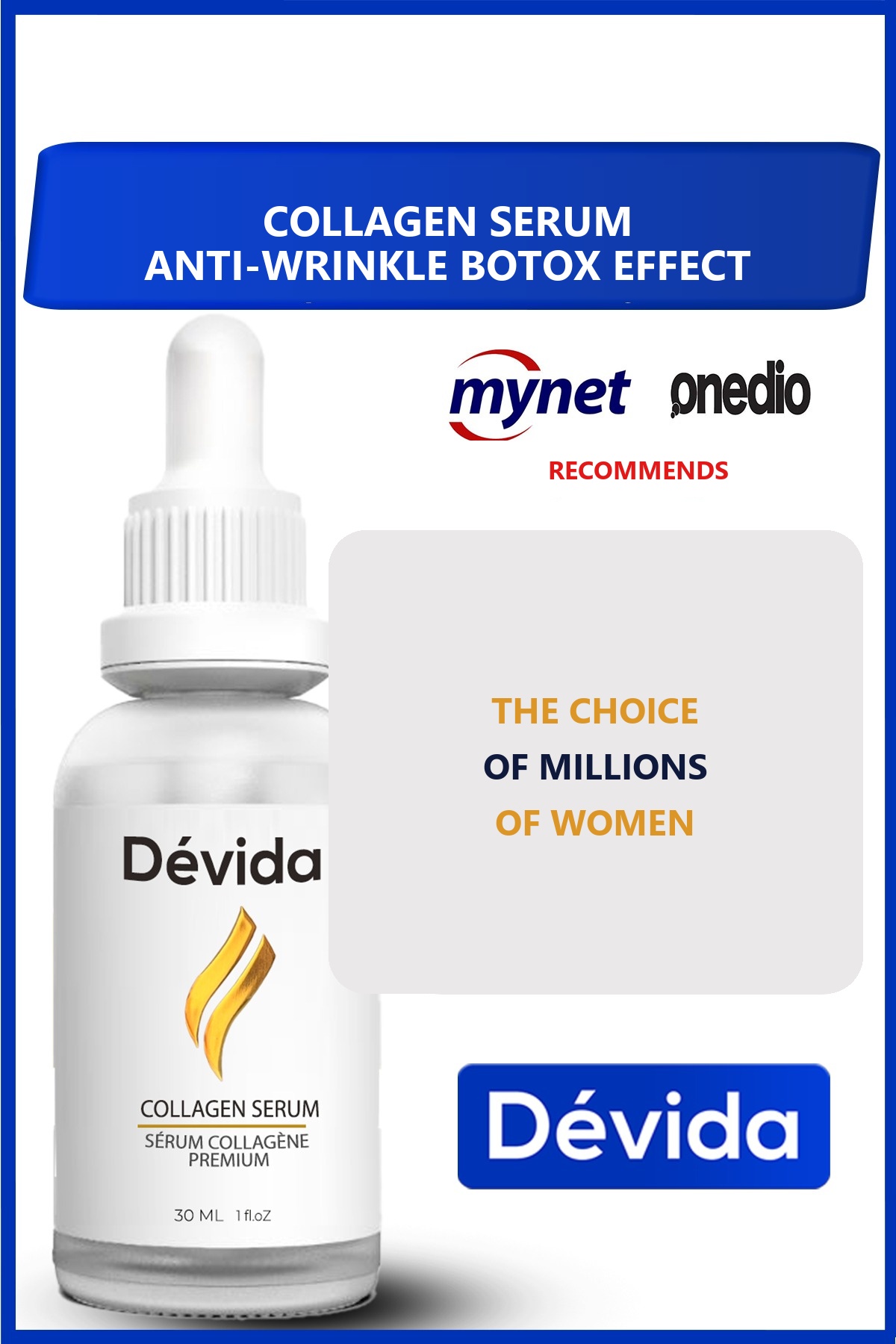
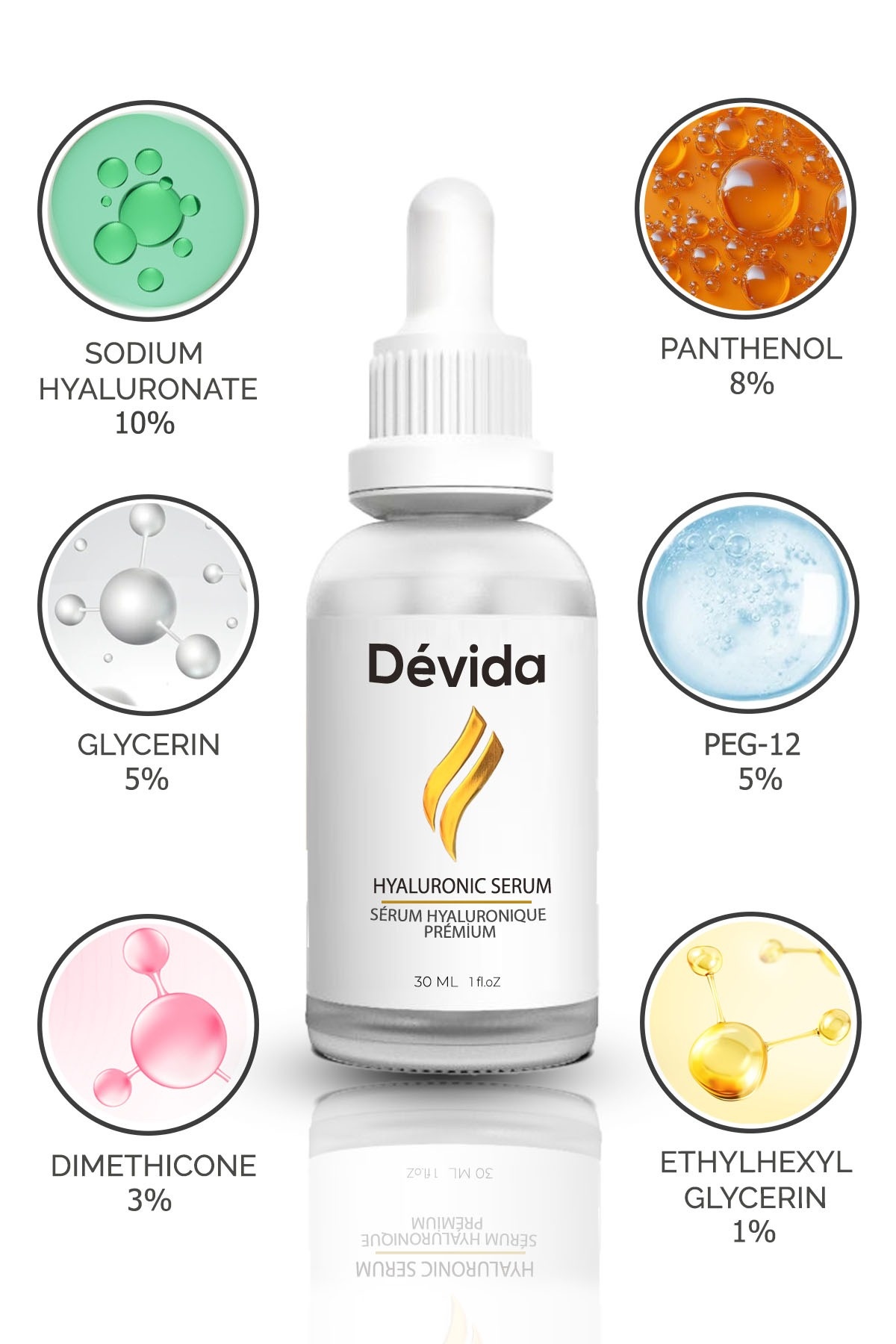
Ingredients listed in the product guide of Devida Vega Series A230: hydrolysed collagen, sodium hyaluronate, panthenol and glycine soja; it does not contain retinol. Use: 2–3 drops on clean, dry skin of the face, forehead and neck, avoiding direct contact with the eye area; morning and/or evening. The product description recommends not layering it in the same application with AHA/BHA or retinol products and splitting these into separate morning and evening routines. The full ingredient list is on the packaging.
Question: When will I see results?
Answer: The softening and plumping effect of hydrating serums is felt from the first days. Peptide and retinoid studies lasted 12 weeks or more; change in fine lines requires at least 3 months of regular use and daily sun protection.
Who should be careful, and when should you see a doctor?
Question: Can collagen and peptide products be used during pregnancy?
Answer: Retinoids are not used in pregnancy. Hydrating serums with collagen, hyaluronic acid and panthenol are generally well-tolerated ingredients; still, show the full ingredient list of your product to your doctor. Also consult your doctor before using a collagen supplement.
Question: When should I see a doctor?
- Sudden drooping, loss of sensation or muscle weakness on one side of the face (requires urgent assessment).
- Swelling, blisters or widespread redness after using a product.
- A new mole, spot or sore that doesn't heal, other than wrinkles.
- If you are considering procedures such as fillers, Botox or laser for deep wrinkles or sagging: these should only be assessed and performed by a doctor.
Final word
Question: If you remember just one thing from this article, what should it be?
Answer: You can't put collagen back into your skin from a jar; but you can protect it and support your skin's own production. Sunscreen every morning, a carefully used retinoid in the evening and a hydrating serum for a plump look, applied with realistic expectations, is the most reliable path.
Devida wishes you healthy and happy days.
Sources
- Robinson LR et al. Topical palmitoyl pentapeptide provides improvement in photoaged human facial skin — Int J Cosmet Sci, 2005
- Blanes-Mira C et al. A synthetic hexapeptide (Argireline) with antiwrinkle activity — Int J Cosmet Sci, 2002
- Myung SK, Park Y. Effects of Collagen Supplements on Skin Aging: A Systematic Review and Meta-Analysis — Am J Med, 2025
- Hughes MCB et al. Sunscreen and prevention of skin aging: a randomized trial — Ann Intern Med, 2013
- Kafi R et al. Improvement of naturally aged skin with vitamin A (retinol) — Arch Dermatol, 2007